

Luxury is evolving rapidly, and by 2026 the expectations of affluent and high-net-worth buyers are more nuanced than ever. While craftsmanship, heritage, and status still matter, today’s luxury consumer defines value in broader, more personal terms. They are highly informed, digitally fluent, and deeply selective about the brands they choose to support. Luxury is no longer just about owning something rare or expensive; it’s about meaning, transparency, experience, and emotional connection. Brands that succeed in 2026 will be those that understand this shift and deliver excellence across every interaction.
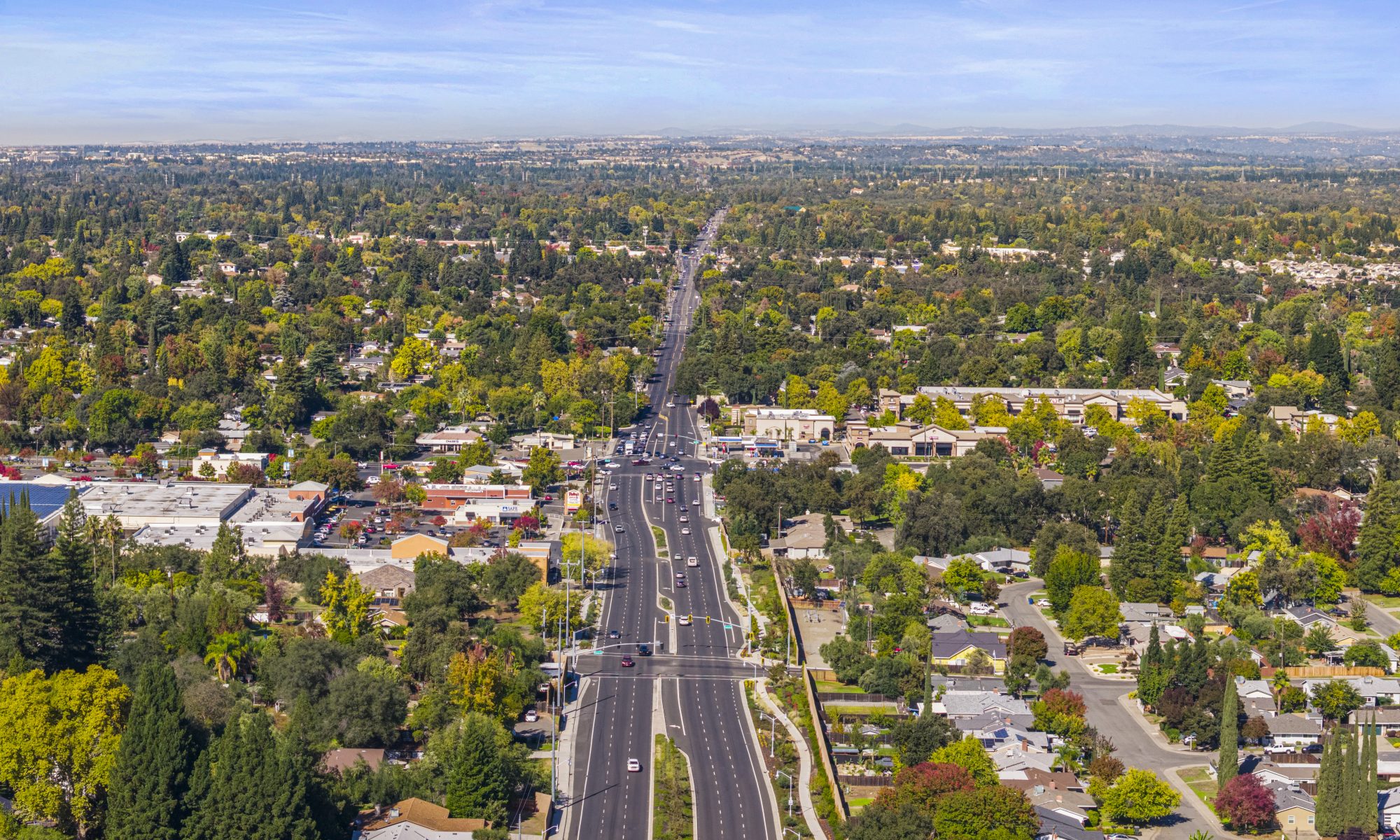
Photo credit to @RosevilleREmedia , @RealtyWithStephanie
Quiet confidence
One of the most noticeable changes in luxury buying behavior is the move away from overt branding. Loud logos and obvious status signals haven’t disappeared, but they are no longer the default expression of wealth. Many luxury buyers now gravitate toward subtlety: refined silhouettes, superior materials, impeccable tailoring, and details that only those “in the know” recognize. This preference reflects a desire for timelessness and discretion. Rather than broadcasting their spending power, buyers want pieces that feel personal and enduring, items that communicate taste rather than trend-chasing. For brands, this means emphasizing design integrity and craftsmanship over visibility alone.
Craftmanship people can verify, not just admire

Craftsmanship itself is under greater scrutiny than ever. In 2026, admiration is no longer enough—buyers want verification. They want to understand where materials come from, who made the product, and under what conditions. Romantic storytelling still matters, but it must be paired with facts. Transparency around sourcing, labor practices, and quality standards is now a baseline expectation, not a differentiator. Luxury consumers are comfortable researching, comparing, and asking pointed questions, and brands that cannot answer them confidently risk losing credibility. Proof of quality builds trust, and trust is becoming one of the most valuable currencies in luxury.
Personalization that feels human, not automated

Personalization is another area where expectations have grown more sophisticated. Generic personalization tactics no longer impress discerning buyers. In 2026, personalization means being understood as an individual. It might show up as custom products or bespoke details, but more often it takes the form of thoughtful service—remembered preferences, curated recommendations, and interactions that feel genuinely tailored. Luxury buyers want to feel recognized without feeling surveilled. The balance between data-driven insight and human intuition is critical. Brands that empower their teams to build real relationships, supported by intelligent systems, will stand out.
Check out our exclusive listings in Placer County.
Experience is the product (and it starts before the purchase)

Experience now plays an equal, if not greater, role than the product itself. Luxury buyers evaluate brands holistically, judging every step of the journey from discovery to post-purchase care. The buying process must feel seamless, whether it happens online, in-store, or across multiple touchpoints. Buyers expect convenience without sacrificing elegance. They may browse digitally, consult virtually, purchase in person, and manage aftercare through an app. In 2026, luxury is about orchestration—making every interaction feel intentional, elevated, and effortless. The experience doesn’t end at checkout; it extends through delivery, maintenance, repair, and long-term engagement.
Sustainability, but with specificity

Sustainability remains a critical factor, but luxury buyers are increasingly skeptical of vague promises. In 2026, they want specificity and honesty. Rather than broad claims, they look for concrete actions and measurable progress. Many luxury consumers are embracing the idea of owning fewer, better things, and they expect brands to support that mindset through durable design, repair services, and circular programs. Perfection isn’t required, but transparency is. Buyers are willing to accept complexity and trade-offs when brands communicate clearly and take responsibility for their impact.
Scarcity with integrity

Exclusivity continues to define luxury, but the way it’s expressed is changing. Buyers are highly attuned to the difference between meaningful scarcity and manufactured hype. Artificial limitations can feel manipulative, while scarcity rooted in genuine constraints—such as artisan capacity or rare materials—feels authentic. In 2026, luxury buyers also care about fairness. They want consistent rules around access, clear communication about waitlists, and a sense that exclusivity is earned through loyalty and engagement rather than arbitrary gatekeeping. Integrity in how scarcity is managed strengthens long-term brand relationships.
Relevance without chasing trends

Relevance remains important, but luxury buyers expect brands to engage thoughtfully rather than reactively. Chasing trends or jumping into collaborations without alignment can dilute brand equity. Today’s luxury consumer values a strong point of view. They want brands that understand culture deeply and contribute to it in ways that feel authentic. In many cases, relevance comes from creativity, craftsmanship, and community rather than celebrity. Luxury brands that invest in art, design, and meaningful storytelling are more likely to resonate than those that rely solely on hype-driven moments.
Digital excellence that still feels exclusive

Digital excellence is now non-negotiable. Luxury buyers expect fast, intuitive, and visually rich digital experiences that match the quality of the product itself. However, they also want digital interactions to feel exclusive, not generic. In 2026, the most successful brands use digital tools to enhance intimacy rather than scale alone. Private virtual appointments, invite-only previews, concierge chat, and personalized content help recreate the feeling of a boutique online. The goal is not just convenience, but distinction—making the digital experience feel as considered as the physical one.
Let’s find your forever home in El Dorado County.
Investment value and resale readiness

Another significant shift is how luxury buyers think about long-term value. Even emotionally driven purchases are now assessed through the lens of durability, repairability, and resale potential. The growth of the resale market has changed buyer psychology, positioning luxury goods as assets rather than disposable indulgences. Buyers want reassurance that what they purchase will age well, both aesthetically and structurally. Brands that support authentication, repairs, and resale reinforce confidence and encourage repeat investment.
Service that feels effortless, discreet, and respectful

Ultimately, service has become one of the strongest differentiators in luxury. In 2026, buyers expect service that is responsive, discreet, and respectful. They want expertise without condescension and attention without pressure. The best luxury service feels effortless, solving problems before they escalate and communicating proactively without overwhelming the client. Small moments—how a return is handled, how a repair is communicated, how a follow-up is phrased—can define a brand relationship. Loyalty is increasingly driven by how easy and pleasant a brand makes a customer’s life.
The bottom line: luxury is becoming more personal
The defining theme of luxury in 2026 is personalization at every level. Today’s luxury buyer wants to feel seen, valued, and aligned with the brands they choose. They are not simply purchasing objects; they are investing in experiences, relationships, and values. Brands that focus on craftsmanship, transparency, thoughtful service, and authentic engagement will thrive. Luxury is no longer just about what you sell—it’s about how you show up, consistently, long after the sale is complete.
Your dream home in Sacramento County is waiting.